
I've been on the diagnostics side of over 300 slab leak calls across San Diego, Orange County, and Riverside. The pattern is almost always the same: homeowners miss the early warning signs for weeks or months, then call us after a floor replacement or a $900 water bill forces the issue. This guide gives you the expert identification framework our technicians use — and a clear breakdown of your slab leak repair options so you can make an informed decision fast.
What Causes a Slab Leak?
Understanding the root cause helps you gauge urgency. Common causes in Southern California:
- Pipe corrosion: chloramine in municipal water reacts with copper over 20–40 years, thinning pipe walls.
- Seismic movement: even minor ground shifts stress rigid copper at foundation penetrations.
- Electrolytic action: bare copper in direct contact with concrete generates a galvanic current that accelerates corrosion.
- High water pressure: anything over 80 PSI accelerates pinhole formation in aging pipe.
- Poor original installation: pipes laid on rough gravel or without proper bedding abrade over time.
Excellent Ways to Identify a Slab Leak
Check Your Water Pressure
Attach a pressure gauge to a hose bib. Normal residential pressure is 40–80 PSI. If you're seeing 30 PSI or lower with no obvious cause, a supply-line slab leak may be bleeding off pressure underground. Low pressure combined with an elevated meter reading confirms the diagnosis. This is step one in any professional slab leak detection in San Diego.
Monitor Your Water Bill
A supply-line slab leak wastes 100–300 gallons per day depending on line pressure and hole size. Compare your last 3 months of bills. A 25% or greater unexplained increase is a red flag. Cross-reference against household changes (new irrigation system, house guests) before concluding a leak — but when in doubt, do the meter test: shut everything off, wait 15 minutes, check if the meter moved.
Look for Wet or Damp Slabs
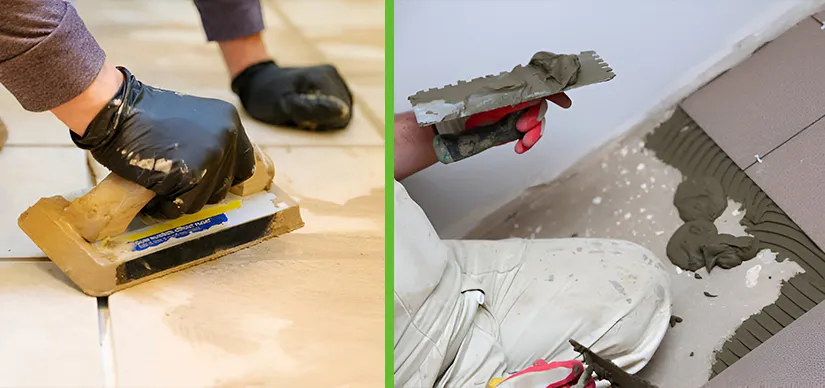
Walk your floors barefoot after a dry day with no recent mopping. Warm patches on tile (especially kitchen or bathroom floors over hot-water lines) or soft, spongy areas in hardwood indicate moisture migration up through the slab. In carpeted rooms, pull back a corner and check for dampness at the tack strip edge. This is one of the clearest signs you need to fix a slab leak urgently.
Check for Mold Growth
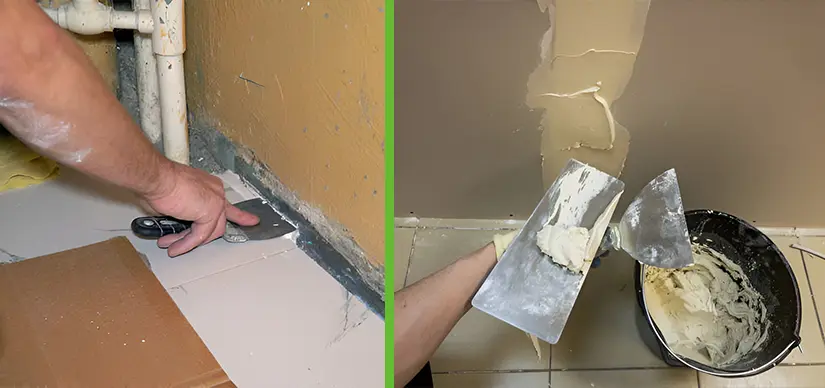
Mold at the base of walls — especially behind baseboards or under cabinet toe-kicks — is a classic secondary sign of a slab leak. The moisture wicks up through the slab, travels along the bottom plate, and creates mold in wall cavities before it's ever visible on the floor. If you smell a musty odor without seeing obvious moisture, pull a baseboard and inspect behind it.
Listen for Unusual Sounds
Stand in a quiet room with the house completely silent — no HVAC, no appliances. Press your ear toward the floor near the water heater, under kitchen or bathroom vanities, or near the foundation wall. A faint hissing, rushing, or bubbling sound coming from below the floor surface is a strong indicator of a pressurized supply-line slab leak. For drain-line leaks, listen for gurgling or trickling that persists after a flush cycle has long ended.
5 Best Slab Leak Repair Options
Once you've confirmed a leak, here are the main slab leak repair options our licensed technicians evaluate for every job:
1. Direct Slab Access (Breaking the Concrete)
We use electronic detection equipment to locate the exact leak point, then cut a targeted opening in the slab — typically 12×12 to 24×24 inches. The damaged pipe section is replaced, the opening is patched with matching concrete, and the floor is restored. Best for: isolated leaks in otherwise healthy pipe. Not recommended when the pipe shows widespread corrosion — you're just buying time until the next pinhole forms nearby.
2. Re-routing (Best Non-Invasive Option)
The leaking pipe section is abandoned underground. A new supply line — usually flexible PEX — is run through walls, under cabinets, or through the attic. Zero concrete cutting. Typically completes in a single day. This is how we fix slab leaks without jackhammering and is our most commonly recommended method for homes with older copper piping. For fixing a slab leak on a hot-water line, re-routing through the attic near the water heater is often the cleanest solution.
3. Re-piping (Full System Replacement)
When a home has multiple prior slab leaks or pipe material that's failed throughout (galvanized iron, original thin-wall copper), re-piping the entire supply system with PEX eliminates future slab leak risk permanently. All new pipes run above slab. This is the right call when slab leak repair costs have accumulated over $8,000–$10,000 in prior jobs on the same property.
4. Tunneling
The repair crew tunnels horizontally under the slab from outside the foundation perimeter to reach the leak from below, without cutting through interior flooring. This is the least disruptive method for interior living spaces — no flooring needs to be disturbed — but it requires exterior access and deeper excavation. Best for: slab leaks directly under load-bearing walls or high-end tile floors where interior cutting would require expensive matching replacement materials.
5. Pipe-within-a-Pipe (Epoxy Lining)
A flexible epoxy-saturated liner is pulled into the existing pipe, inflated against the pipe walls, and cured. The result is a structurally bonded new pipe inside the old one. The leak becomes irrelevant because the liner isolates water flow entirely. No excavation, no concrete cutting, 50-year warranty on quality liners. Requires a CCTV camera inspection first to confirm the existing pipe is intact enough to support the liner.
Which Method Is Right for You?
| Situation | Best Method |
|---|---|
| Single isolated pinhole, healthy pipe elsewhere | Direct slab access |
| Older copper throughout; want to avoid concrete cutting | Re-routing or repipe |
| High-end flooring; minimal disruption required | Tunneling or epoxy lining |
| Multiple prior leaks on same property | Full repipe |
| Long pipe run with multiple corrosion points | Epoxy lining or repipe |
When to Call a Professional Immediately
Don't wait to get a diagnosis if you have:
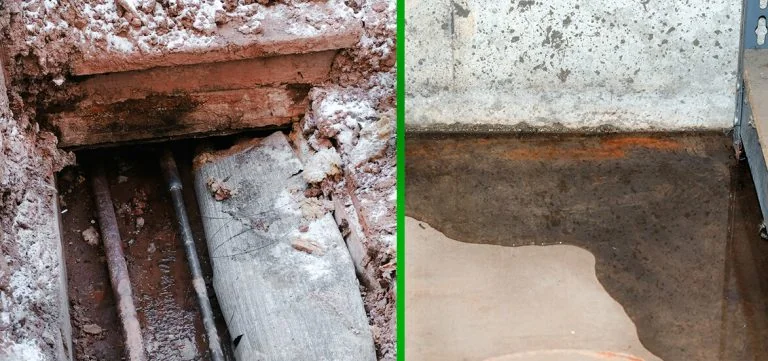
- Active water pooling on the floor with no surface source;
- The water meter spinning continuously with all fixtures off;
- A hot water heater that runs constantly but never keeps up with demand;
- Visible mold growth at floor level inside exterior walls.
Call EZ Leak Detection at (626) 692-9878 for same-day slab leak detection in San Diego or search slab leak detection near me for our Orange County and Riverside County locations. We operate 24/7 across all three counties.
Related Resources
- How to Fix a Slab Leak: The Top Four Ways — repair technique deep dive
- How to Fix a Slab Leak in Your Home Fast — emergency triage + cost breakdown
- San Diego Residential Slab Leak Repair — local service and pricing
FAQ
Q.1 What are the slab leak repair options available to me?
Ans. Five primary methods: direct slab access, pipe re-routing, full repipe, tunneling, and epoxy/CIPP lining. The right choice depends on pipe age, leak location, flooring type, and whether corrosion is isolated or widespread.
Q.2 How do I fix a slab leak without breaking up my floor?
Ans. Re-routing through walls/attic and epoxy lining both avoid any slab cutting. In most cases, these are preferable to direct access and are our first recommendation.
Q.3 How long does slab leak detection take?
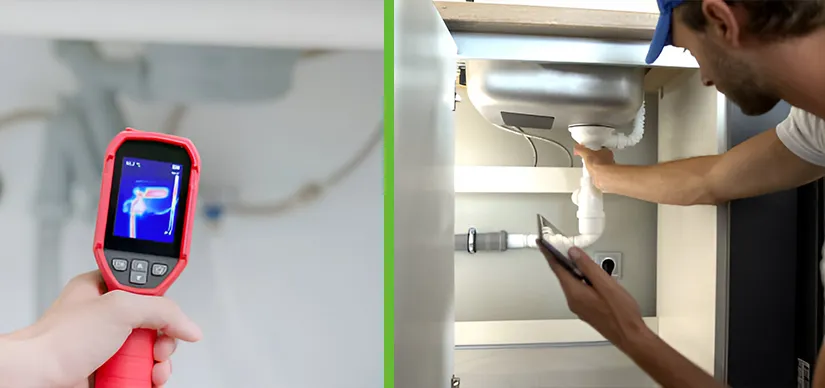
Ans. Our technicians typically pinpoint the leak location within 1–2 hours using electronic acoustic equipment and thermal imaging. We always detect before recommending a repair method.
Get expert slab leak identification and repair from the licensed team at EZ Leak Detection. Call (626) 692-9878 or visit our San Diego slab leak repair page to get started.
TESTIMONIALS