
Do unexpected water bills and mold growth surprise you? Tired of cleaning puddles repeatedly? Then this is a high indication that you have a slab leak.
A slab leak—a broken water pipe beneath your home's concrete foundation—is a silent destroyer. Because the plumbing is encased in concrete and buried in soil, these leaks can flow undetected for weeks, silently eroding your foundation, warping your floors, and driving your utility bills through the roof. For homeowners in San Diego, where aging copper pipes and shifting soils are prevalent, knowing the early warning signs of a slab leak is critical. Recognizing these indications early allows you to call in professional slab leak detection experts before a minor plumbing issue turns into a massive structural repair.
9 Critical Signs of a Slab Leak
If you notice one or more of these symptoms, do not wait. Early detection is the key to minimizing damage.
1. Unexpected Increase in Water Bills
This is often the very first sign. If your household's water usage habits haven't changed, but your monthly bill has spiked significantly, you have a hidden leak. Even a small pinhole leak in a pressurized supply line under the slab can waste thousands of gallons of water in a single billing cycle.
2. Hot Spots on the Floor
If you have a slab leak on a hot water line, the heat will transfer through the concrete and into your flooring. If you notice an unusually warm patch on your tile, laminate, or hardwood—especially if a pet starts favoring that specific spot—it is a strong indication of a hot water slab leak.
3. Mold or Mildew Growth
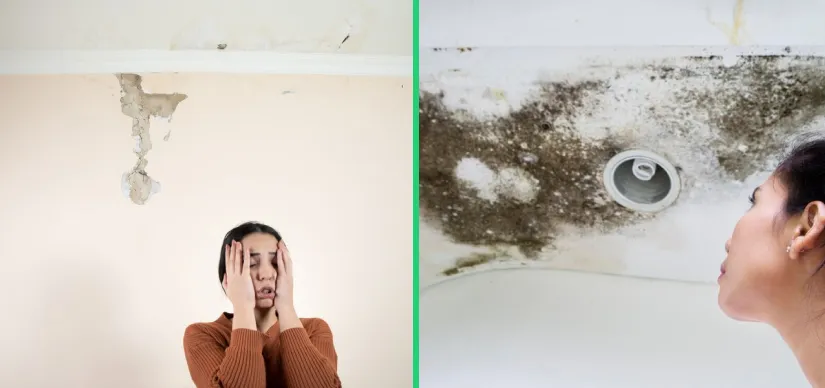
Moisture from a slab leak often travels up through the foundation and into the drywall or flooring. This creates the perfect dark, damp environment for mold and mildew to thrive. If you smell a persistent musty odor or see dark patches developing near the baseboards, you likely have a hidden water issue.
4. Cracks in Walls or Flooring
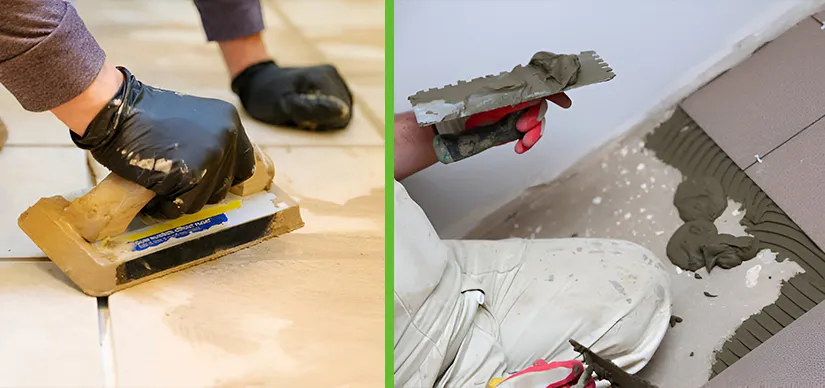
As water escapes beneath the slab, it erodes the soil supporting your foundation. This can cause the concrete slab to shift or settle unevenly. When the foundation moves, the house moves with it, resulting in visible cracks in your drywall, brickwork, or tile flooring.
5. Puddles or Pooling Water
Eventually, the escaping water has to go somewhere. If the soil is saturated, the water may push up through cracks in the slab, pooling on your floors. Alternatively, it may travel outward and pool around the exterior perimeter of your home's foundation, even when it hasn't rained.
6. Low Water Pressure
If a significant amount of water is escaping through a leak under the slab, there is less volume and pressure available to reach your fixtures. If you experience a sudden, unexplained drop in water pressure—particularly when using multiple fixtures—it could point to a major supply line failure.
7. Sounds of Running Water
Water escaping a highly pressurized pipe creates a distinct hissing or rushing sound. If you turn off all faucets, toilets, and appliances in your home and still hear the faint sound of running water coming from beneath the floors or behind the walls, you almost certainly have a leak.
8. Damaged Baseboards or Crown Molding
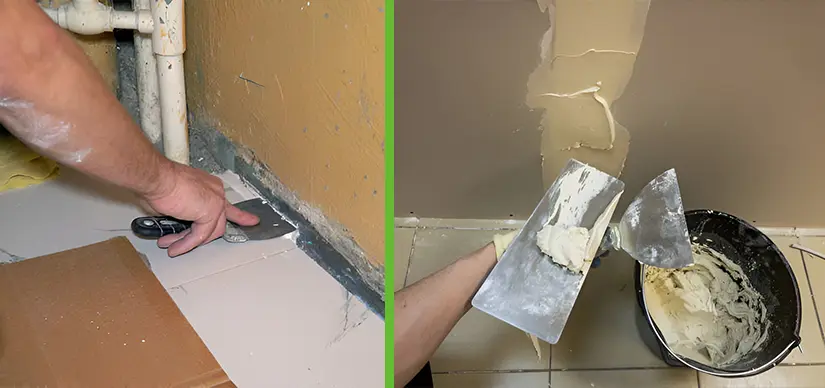
As water wicks up into the drywall from a slab leak, the baseboards will begin to warp, peel, or separate from the wall. This is a clear sign that moisture is traveling upward from the foundation.
9. Visible Corrosion or Rust
If you can see any exposed plumbing near the water heater or where pipes enter the slab, check for signs of green patina or rust. While this doesn't guarantee a leak under the slab, it proves that your home's copper plumbing is actively corroding, making a slab leak highly likely.
Frequently Asked Questions
Q. How quickly should I act if I suspect a slab leak?
Ans. Immediately. A slab leak will never resolve itself, and the longer water erodes the soil beneath your foundation, the higher the risk of severe structural damage and toxic mold growth.
Q. How do professionals confirm these indications?
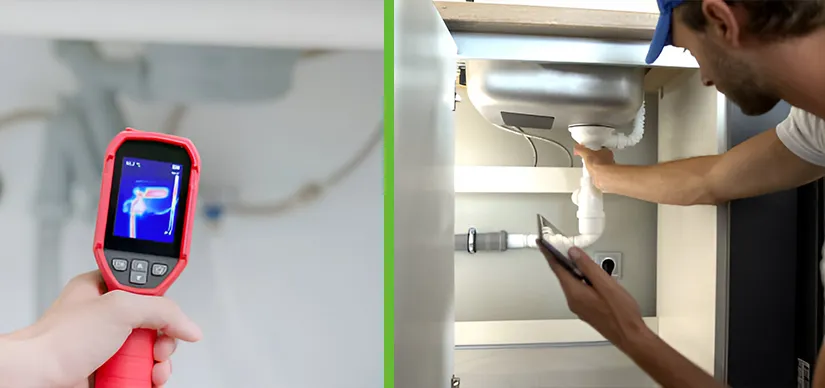
Ans. Expert plumbers use non-invasive technology like electronic acoustic listening devices, thermal imaging cameras, and tracer gas systems to pinpoint the exact location of the leak without breaking any concrete.
Q. Does my homeowner's insurance cover slab leaks?
Ans. Policies vary, but most homeowner's insurance policies cover the cost of locating the leak and repairing the resulting water damage (like ruined floors or drywall). They typically do not cover the cost of repairing the plumbing itself. A professional leak detection company can provide the necessary reports for your claim.
Conclusion
Being vigilant about the common signs of a slab leak is crucial for responsible homeownership. Indications such as a sudden increase in water bills, hot spots on the floor, mold, wall cracks, or unusual sounds should never be ignored. Detecting these issues early is the only way to save yourself from extensive and expensive foundation repairs. Act swiftly by consulting a professional plumber who uses specialized diagnostic tools to locate the problem.
Call EZ Leak Detection Today
If you have noticed any of these 9 warning signs in your home, do not wait. The team at EZ Leak Detection specializes in rapid, non-invasive slab leak detection and comprehensive repair. Serving San Diego, Orange County, and Riverside, we have the technology to find the leak and the expertise to fix it permanently.
Call us today at (760) 392-7616 to schedule a professional inspection and protect your home.
Author: ezleakdev
TESTIMONIALS