
Southern California homeowners share a common truth: waiting for a plumbing disaster to strike is an expensive gamble. Between the naturally hard water across San Diego, Oceanside, and Carlsbad, and the aging cast-iron and copper infrastructure in Orange County and beyond, plumbing systems endure daily stress. The smartest investment you can make isn't always in a fast repair — it's in preventative plumbing care. Proactive maintenance extends the life of your pipes, protects your home from catastrophic water damage, and lowers your monthly utility bills. In this guide, the experts at EZ Leak Detection break down the essential steps every homeowner should take to keep their plumbing system running flawlessly.
Why Preventative Plumbing Maintenance Matters
Plumbing systems are largely out of sight, which makes them easy to ignore until something breaks. A slow drain, a dripping faucet, or a faint musty smell might seem like minor annoyances, but they are often the early warning signs of systemic failure. Routine maintenance allows you to catch these issues while they are still cheap and simple to fix. It helps prevent major emergencies, like a burst pipe flooding your living room or a hidden slab leak silently eroding your foundation.
Furthermore, regular care preserves the efficiency of your water heater, reduces the strain on your pipes, and ensures you aren't paying for wasted water. In short, preventative plumbing care is the key to maintaining both the value of your home and your peace of mind.
Essential Routine Plumbing Care Steps
1. Inspect for Leaks Regularly
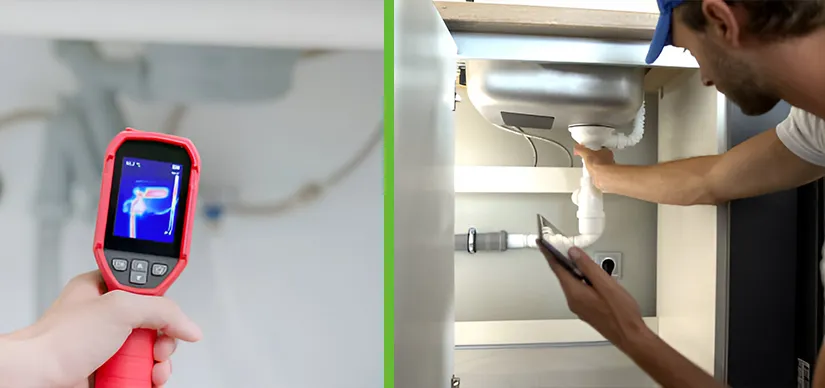
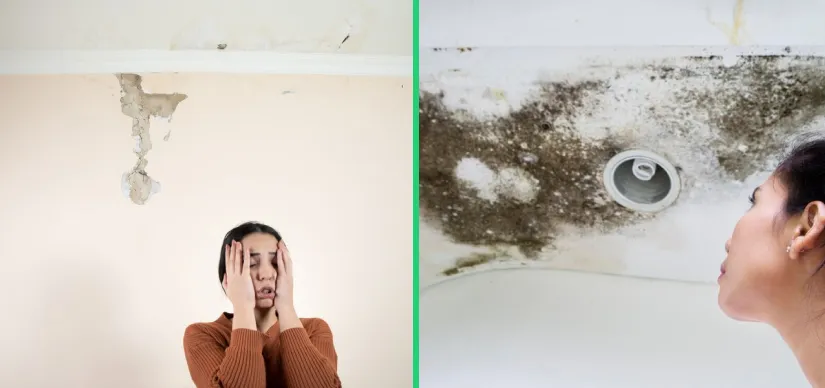
Make a habit of visually inspecting the exposed plumbing in your home at least once a month. Check the supply lines under your kitchen and bathroom sinks, the connections behind your toilets, and the area surrounding your washing machine and water heater. Look for signs of moisture, water stains, mold growth, or corrosion on the metal fittings. Even a small pinhole leak can waste hundreds of gallons of water and cause significant structural rot over time.
2. Manage Your Water Pressure
High water pressure might feel great in the shower, but it is one of the most destructive forces inside your plumbing system. Excessive pressure stresses joints, wears out valves, and drastically shortens the lifespan of your water heater and appliances. You can purchase a simple pressure gauge at any hardware store and attach it to an outdoor hose bib. If your reading exceeds 80 PSI, you should have a licensed plumber install or replace a Pressure Reducing Valve (PRV).
3. Be Mindful of Your Drains
Your drains are not trash cans. The most effective way to prevent clogs and backups is to control what goes down the drain in the first place.
- In the Kitchen: Never pour liquid grease or cooking oil down the sink; it will solidify and create massive blockages. Use sink strainers to catch food particles, and be careful with your garbage disposal — avoid fibrous foods like celery, potato peels, and coffee grounds.
- In the Bathroom: Install hair catchers in your shower and tub drains. In the toilet, follow the golden rule: flush only human waste and toilet paper. “Flushable” wipes, paper towels, and feminine hygiene products are notorious for causing severe sewer line clogs.
4. Flush Your Water Heater Annually
Southern California is known for its hard water, which is rich in calcium and magnesium. Over time, these minerals accumulate as sediment at the bottom of your water heater tank. This sediment forces the unit to work harder to heat water, reducing its efficiency and leading to premature failure. Flushing your water heater once a year clears out this buildup, restores efficiency, and extends the life of the appliance. If you aren't comfortable doing this yourself, schedule a professional water heater maintenance visit.
5. Know Your Main Water Shut-Off Valve
In a true plumbing emergency — like a burst pipe or a massive leak — every second counts. You do not want to be searching for your main water shut-off valve while water is flooding your home. Locate your valve today (it is usually near the water meter, in the garage, or near the front foundation wall). Test it to ensure it turns easily. Show every adult in the household where it is and how to use it.
When to Call a Professional for Preventative Maintenance
While visual inspections and basic care are manageable for most homeowners, certain preventative tasks require professional expertise. You should schedule a comprehensive inspection with a licensed plumber if your home is more than 20 years old, if you have mature trees near your sewer line (tree root intrusion is a major cause of backups), or if you notice recurring issues like slow drains or dropping water pressure.
A professional inspection goes beyond what the eye can see. Using specialized equipment, such as hydrostatic pressure testing, thermal imaging, and high-resolution sewer cameras, a technician can identify hidden slab leaks, hairline cracks in your sewer lateral, or failing valves before they trigger an emergency.
Frequently Asked Questions
How can I tell if I have a hidden water leak?
The most common signs of a hidden leak include an unexplained increase in your water bill, the sound of water running when all fixtures are turned off, warm or damp spots on your flooring (indicative of a slab leak), or a persistent musty odor. If you suspect a hidden leak, turn off all water in your house and check your water meter. If the dial is still spinning, you have a leak.
Is chemical drain cleaner safe for preventative maintenance?
No. We strongly advise against using caustic chemical drain cleaners for routine maintenance or clearing clogs. These chemicals generate intense heat and can corrode older metal pipes or soften PVC piping. Over time, they do more harm than good. Instead, use a plunger, a plumbing snake, or natural alternatives like baking soda and vinegar for minor clogs.
How often should I have my plumbing system professionally inspected?
For most homes, a professional plumbing inspection every two years is sufficient. However, if your home is older than 40 years, has cast-iron plumbing, or is surrounded by large trees, an annual inspection is highly recommended to catch root intrusions or pipe degradation early.
What is a water pressure regulator, and do I need one?
A water pressure regulator (or Pressure Reducing Valve) is a brass valve usually installed near your main shut-off that reduces high municipal water pressure to a safe level for your home's pipes and appliances (typically between 50 and 80 PSI). If your home’s pressure exceeds 80 PSI, a regulator is essential to prevent blown hoses, failing valves, and pipe bursts.
Does hard water cause plumbing problems?
Yes. The high mineral content in hard water leads to scale buildup inside pipes, water heaters, and fixtures. This scale can restrict water flow, reduce the lifespan of appliances, and cause valves to stick or fail. Installing a whole-home water softening or conditioning system is an excellent preventative measure for homes in Southern California.
Conclusion
An ounce of prevention is worth a pound of cure, and nowhere is that more true than with your home’s plumbing system. By implementing these straightforward preventative plumbing care strategies — monitoring your water pressure, protecting your drains, flushing your water heater, and staying vigilant for leaks — you can protect your property from devastating water damage and avoid the stress of unexpected, costly repairs. Consistent care ensures your plumbing system serves you efficiently for years to come.
Call EZ Leak Detection Today
Don't wait for a plumbing disaster to force your hand. Whether you need a comprehensive preventative plumbing inspection, a water heater flush, or advanced detection for a suspected hidden leak, EZ Leak Detection is here to help. Our licensed technicians serve San Diego, Orange County, Riverside, Carlsbad, and Oceanside with reliable, expert service you can trust.
Take control of your home’s plumbing health today. Contact EZ Leak Detection to schedule your preventative maintenance service.
- Call us directly: (760) 392-7616
- Find a leak detection specialist near me on Google Maps
- Learn more about our services at EZ Leak Detection